The Case

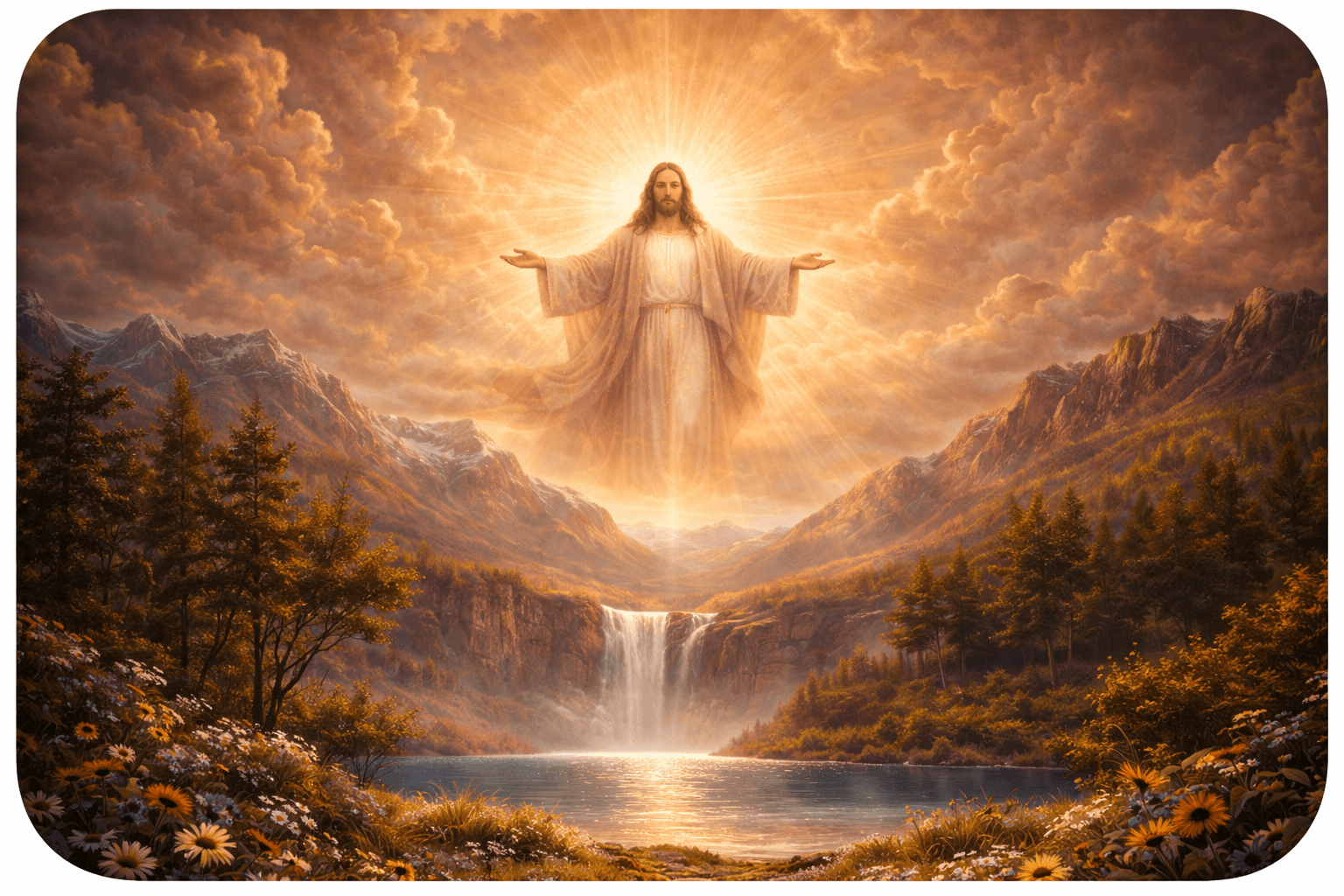
God absolutely exists.
God made everything, including you, with purpose. Creation points to a Creator. A painting doesn’t happen by accident. Behind every brushstroke is an artist. A building doesn’t build itself—there’s always an architect and a plan. In the same way, the beauty, order, and complexity of the universe—and of your life—point clearly to a Creator. Nature isn’t random. It reflects design, purpose, and intention.

All religions don’t lead to God.
Different religions make mutually exclusive truth claims about God, salvation, and the nature of reality. Christianity teaches that Jesus is the only way to God—not one among many. Islam denies that Jesus is the Son of God or that he was crucified. Buddhism is non-theistic and offers liberation through self-realization, not through a divine being at all. Hinduism embraces a vast pantheon and teaches reincarnation, which Christianity fundamentally rejects. Respecting other religions doesn’t mean pretending they’re all the same.

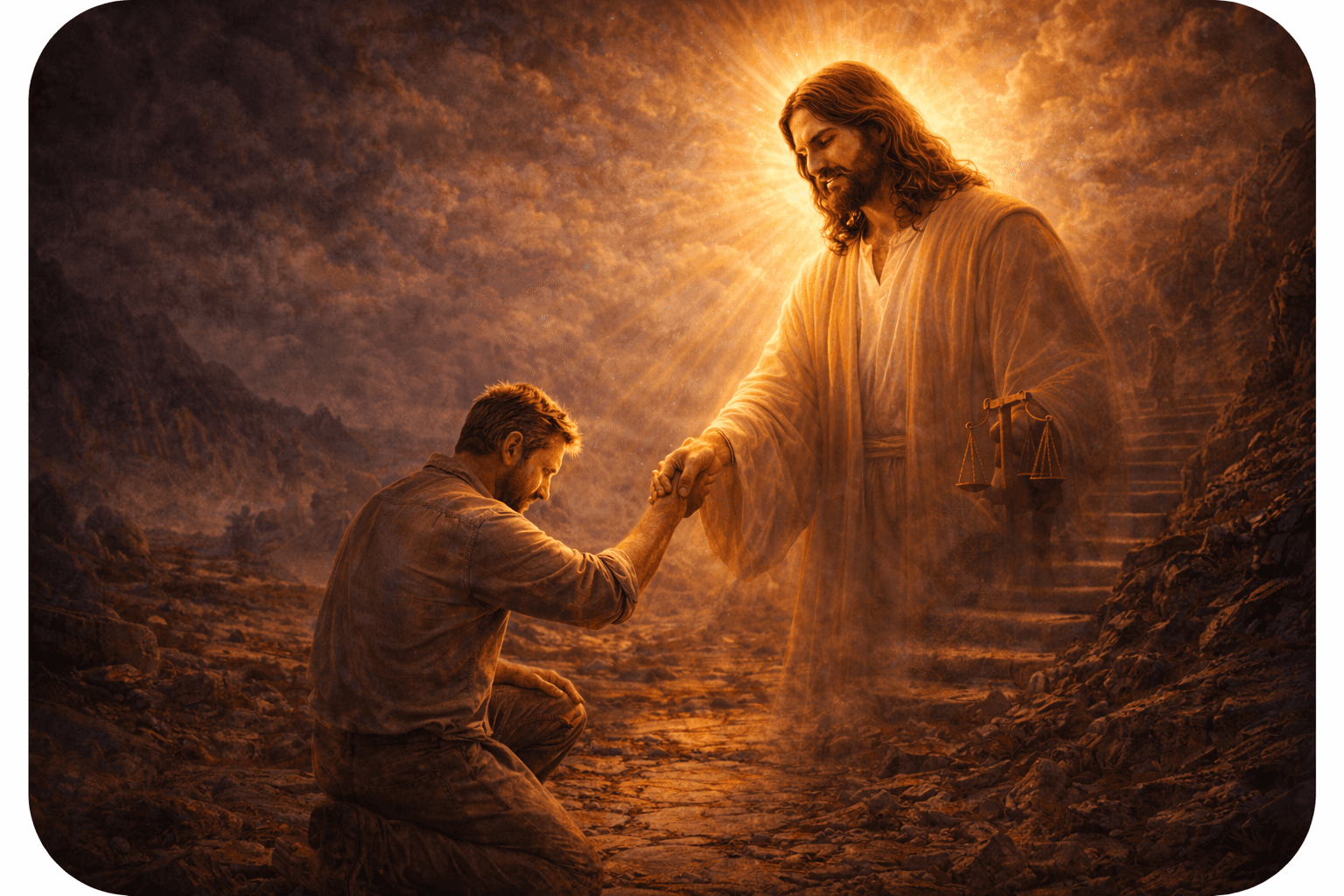
Only Christianity teaches grace.
Most world religions teach that you must work your way to God—or enlightenment, salvation, or liberation—through good deeds, rituals, or self-improvement. Christianity alone teaches that God came down to rescue us, not because of what we do, but because of His grace. All other religions say you must work your way up to God. Only Christianity says God came down to rescue you—by grace, not works.

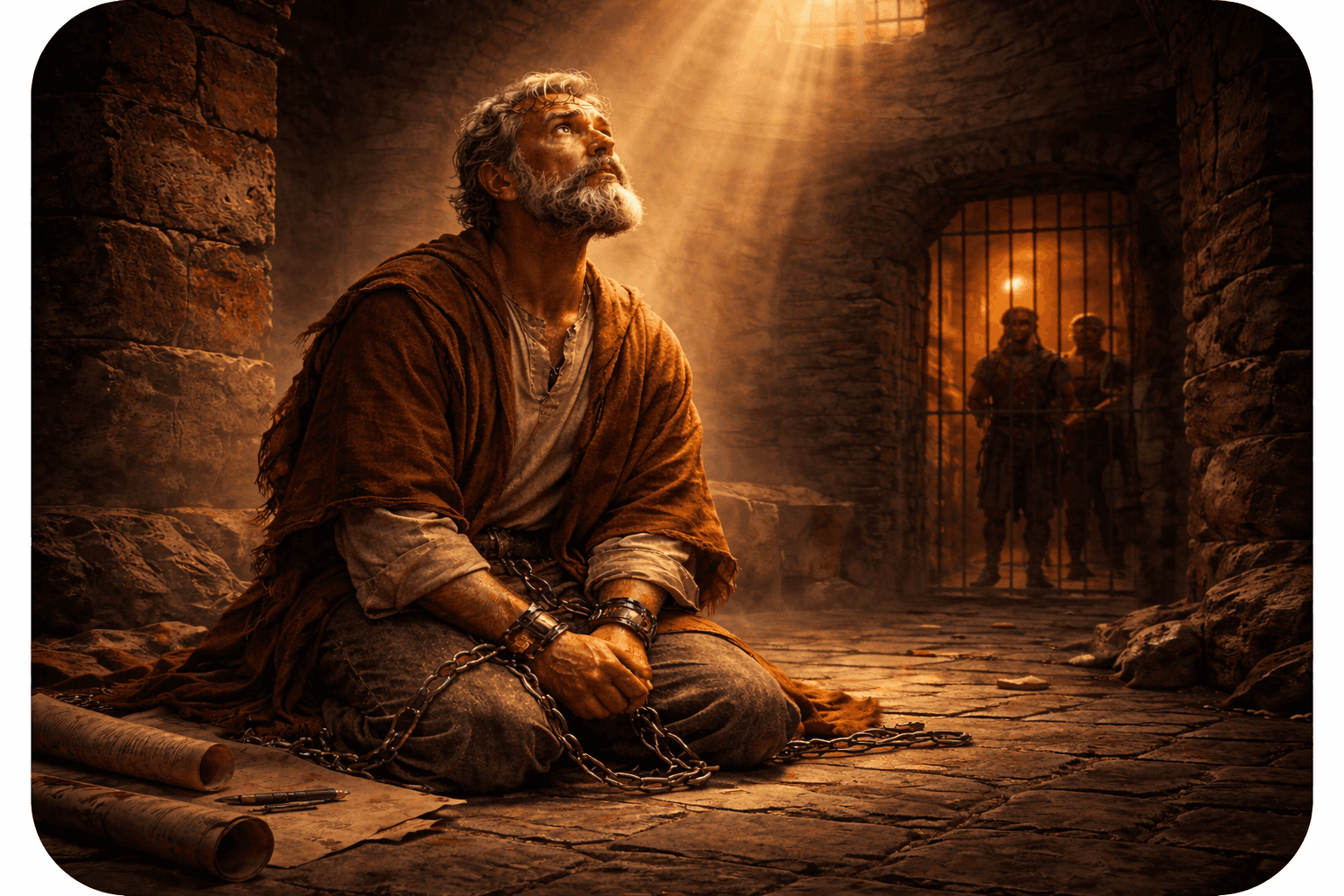
The unique martyrdom of Christianity.
Many people have died for what they believe to be true. But the case of the Apostle Paul stands in a category of its own. Most martyrs in other religions die for convictions they sincerely believe but cannot personally verify. Paul is different. He didn’t die for a philosophy, a tradition, or a leader’s teaching. He claimed to have personally seen the risen Jesus. For decades, Paul endured brutal persecution: beatings, imprisonments, stonings, shipwrecks, hunger, and constant threats. He had countless chances to abandon his claim and spare himself. Yet he never recanted. So yes, many people have died for what they believe to be true. But Paul died for what he claimed he knew was true.


The Bible is the strongest record of antiquity.
The Bible is the most well-preserved and well-attested ancient document in human history. We have over 25,000 ancient manuscripts of the New Testament alone—in Greek, Latin, Syriac, Coptic, and other early languages. No other ancient work comes close. Because of the sheer number and geographic spread of manuscripts, scholars can cross-compare thousands of copies. This allows us to reconstruct the text with over 99% confidence in its accuracy to the original autographs. The small remainder consists of spelling differences or word order shifts, none affecting core doctrine.


The empty tomb.
The resurrection of Jesus is the cornerstone of Christian faith. If Jesus rose bodily from the dead, Christianity is true; if not, faith is futile. Central to this claim is the empty tomb, a historically verifiable event that provides strong evidence for the resurrection. Jesus was crucified and buried in a rock-hewn tomb. The tomb was found empty three days later. Multiple sources attest to this: Matthew 28, Mark 16, Luke 24, John 20, and Paul’s letters. The empty tomb, combined with eyewitness testimony, the religious leaders’ motives, and Roman accountability forms a compelling historical case for the resurrection.

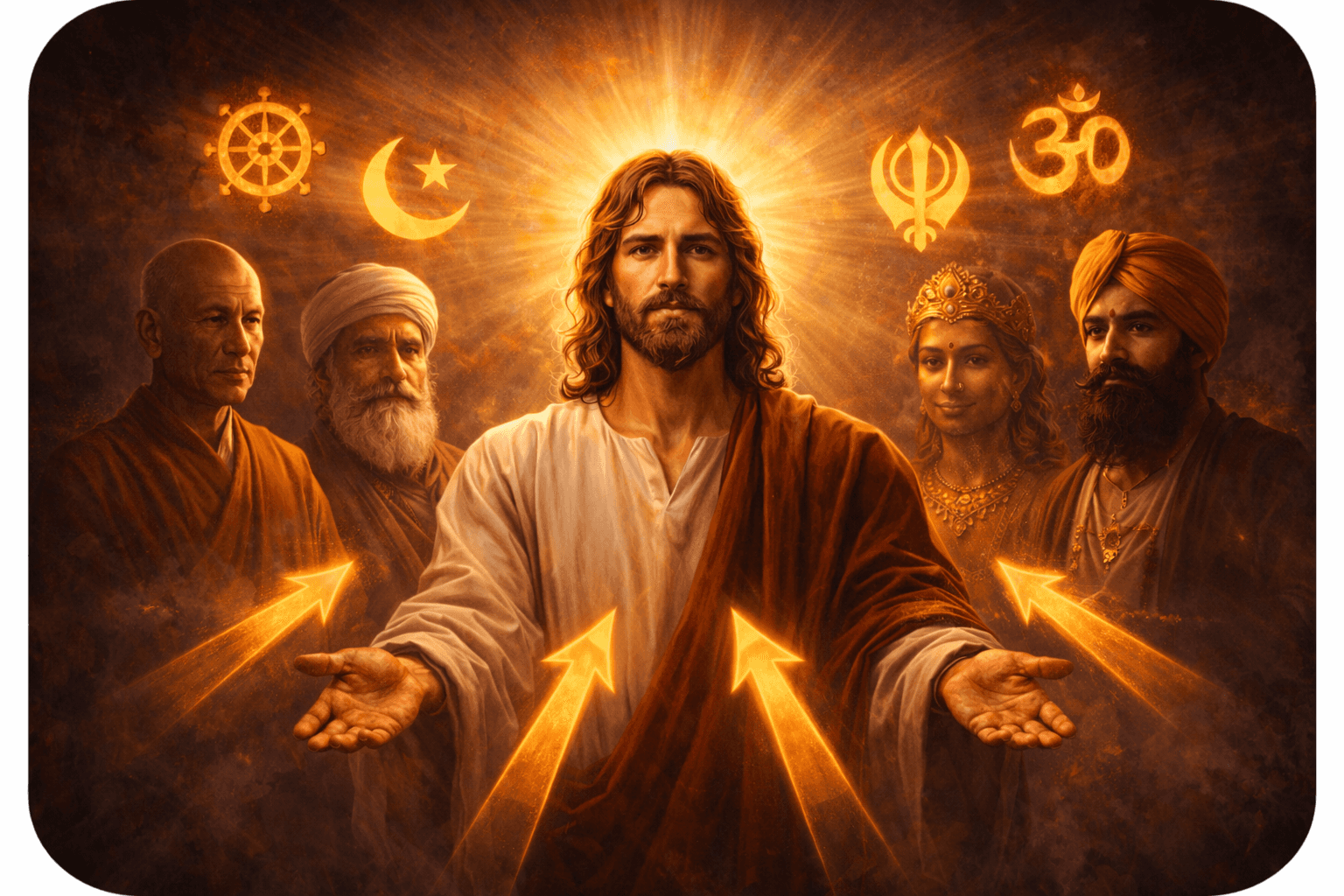
Christ points to Himself.
Jesus is one of the most widely recognized figures in history. Yet Jesus never pointed to anyone else as the way to God—He always pointed to Himself. “I am the way, the truth, and the life. No one comes to the Father except through Me.” “Before Abraham was, I am.” “I and the Father are one.” Unlike figures in other religions who often present moral teachings or point to a broader path, Jesus consistently identified Himself as the ultimate authority and Savior.